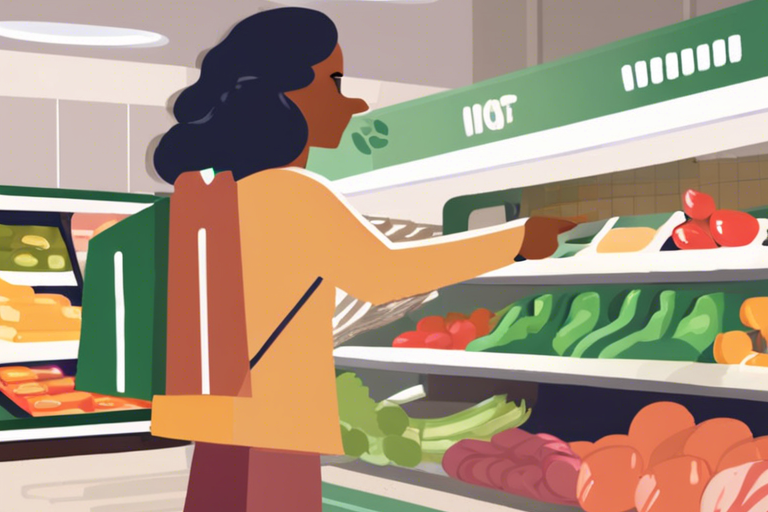
How to Save Money on Groceries: Budget-Friendly Tips. Are you tired of spending a fortune on groceries every month? Look no further! In this article, we will reveal the best budget-friendly tips to help you save money on groceries without sacrificing on quality. Whether you’re a college student on a tight budget or a family of four trying to cut back on expenses, these tips will have you shopping smarter and stretching your dollars further.
From meal planning and creating a shopping list to utilizing coupons and taking advantage of sales, our expert advice will empower you to make frugal choices without depriving yourself. We will also share innovative ways to reduce food waste and make the most of leftovers, keeping your grocery bill in check while still enjoying delicious and nutritious meals.
Saving money on groceries doesn’t mean compromising on taste or nutrition. With our practical tips and expert insights, you can become a savvy shopper and see a significant difference in your grocery expenses. Let’s get started on your journey to saving money without sacrificing on the essentials!
How to Save Money on Groceries: Budget-Friendly Tips
Grocery shopping can be a significant expense for many households, but with the right strategies, you can save money and stretch your budget further. In this article, we’ll explore practical tips and techniques to help you become a savvier grocery shopper and keep more of your hard-earned cash.
Crafting a Grocery Budget
The first step to saving money on groceries is to create a realistic budget. Start by tracking your current spending habits and identifying areas where you can cut back. Determine a reasonable amount to allocate for your weekly or monthly grocery needs, and stick to it. Remember, a well-planned budget can be the foundation for long-term savings.
When setting your grocery budget, consider factors such as the size of your household, dietary requirements, and any special dietary needs. Be mindful of your typical spending patterns and adjust your budget accordingly. Keeping a close eye on your spending can help you identify opportunities to save and make more informed decisions at the checkout.
Planning Your Meals
Meal planning is a powerful tool in the quest to save money on groceries. By taking the time to plan your meals in advance, you can avoid impulse purchases and ensure that you only buy what you need. Start by reviewing your pantry, refrigerator, and freezer to see what items you already have on hand. This will help you identify ingredients you can use to create delicious and budget-friendly meals.
When planning your meals, consider recipes that utilize affordable and versatile ingredients. Opt for dishes that can be stretched over multiple meals, such as soups, stews, or casseroles. This not only saves you money but also reduces food waste, as you’ll be less likely to let perishable items go to waste.
Savvy Shopping Strategies
One of the keys to saving money on groceries is to be a smart and strategic shopper. Start by making a comprehensive grocery list before you head to the store. This will help you stay focused and avoid impulse purchases that can quickly add up. Additionally, try to shop during off-peak hours, such as weekdays or early mornings, when the store is less crowded, and you’re less likely to be tempted by special offers or end-cap displays.
Another effective strategy is to take advantage of sales, coupons, and loyalty programs. Keep an eye out for weekly flyers and online deals, and plan your shopping trips around these offers. Many grocery stores also offer loyalty programs that provide discounts, rewards, or personalized savings opportunities. Be sure to sign up and take advantage of these programs to maximize your savings.
Prioritizing Affordable Ingredients
When it comes to saving money on groceries, it’s important to focus on affordable and versatile ingredients. Opt for bulk purchases of staple items like rice, pasta, beans, and lentils, as these tend to be more cost-effective than their pre-packaged counterparts. Additionally, consider buying frozen or canned fruits and vegetables, which can be just as nutritious as fresh produce and often cost less.
Another way to save money is to buy in-season produce. Seasonal fruits and vegetables are typically more abundant and, therefore, less expensive. Take advantage of these seasonal offerings to create delicious and budget-friendly meals.
Reducing Food Waste
Food waste is a significant contributor to grocery expenses, so it’s important to take steps to minimize it. Start by planning your meals and shopping lists carefully to avoid buying more than you need. Additionally, be mindful of expiration dates and use perishable items before they spoil.
Consider investing in storage containers and meal prep tools to help extend the shelf life of your groceries. Proper storage techniques, such as keeping produce in the refrigerator or freezing excess items, can help you avoid wasting food and saving money in the long run.
Embracing Flexible Cooking
One of the best ways to save money on groceries is to embrace flexible cooking. Instead of strictly following recipes, try to be creative and adaptable with the ingredients you have on hand. This not only helps you reduce food waste but also allows you to take advantage of sales and discounts.
Experiment with substitutions and learn to improvise in the kitchen. For example, if a recipe calls for an ingredient that’s not on sale, look for a similar but more affordable alternative. This approach can help you save money while still enjoying delicious and satisfying meals.
Conclusion
Saving money on groceries doesn’t have to be a daunting task. By implementing the strategies outlined in this article, you can become a more savvy and budget-conscious grocery shopper. From crafting a realistic grocery budget to reducing food waste, each of these tips can help you stretch your dollars further and enjoy the benefits of a healthier financial future.
Start your journey towards savings today by implementing these budget-friendly grocery tips. Remember, small changes can lead to big savings over time. Embrace the challenge and enjoy the satisfaction of stretching your grocery budget further.